Free Web Hosting Provider - Web Hosting - E-commerce - High Speed Internet - Free Web Page
Search the Web

  MY FOSSIL FINDS
     
Home Page

Paleo Points

Archaic Points and Miscellaneous

Ground / Polished Artifacts and More Paleo

Bird Points

Favorite Links

In Situ Shots

My Fossil Finds

Flint Tools

Surface Hunters of Texas

Uechi-Ryu Karate

Indy's Biggest Find

Indy's Cache

INDY'S RANT - LEGALIZE SURFACE COLLECTING ON PUBLIC WATERWAYS!!!!!!!!!!

 
I FREQUENTLY FIND FOSSILS WHILE HUNTING POINTS . . .
In our creekbeds, we find a lot of Cretaceous marine fauna and some Pleistocene stuff. I've made several nice finds over the years. Here are some of the better ones.

THE FAMOUS GCS MOSASAUR SKULL
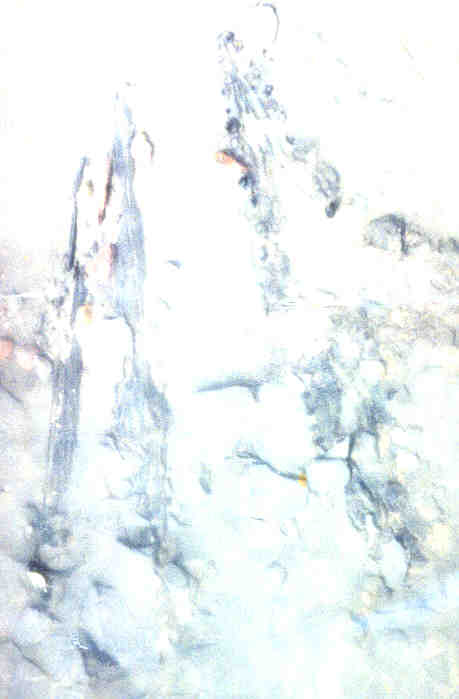
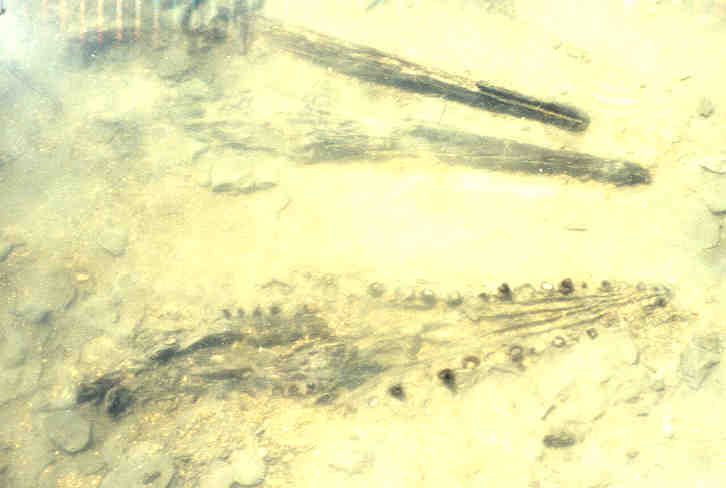
In October 1977, I took my seventh grade Texas History class on a field trip to the river to study Indian artifacts and fossils. The day was going pretty slowly when I saw this bad boy protruding from the shale in the bottom of the river. As you can imagine, I got a little excited!
After a little cleaning of the gravel,
it became apparent that the entire skull was there, upside down, with both lower mandibles detached and lying a few inches away. What a find!
The skull came out in pieces
so I had to carefully lift them out one by one, clean the matrix away, and wrap them - first in toilet tissue for padding, then in tinfoil to protect them.
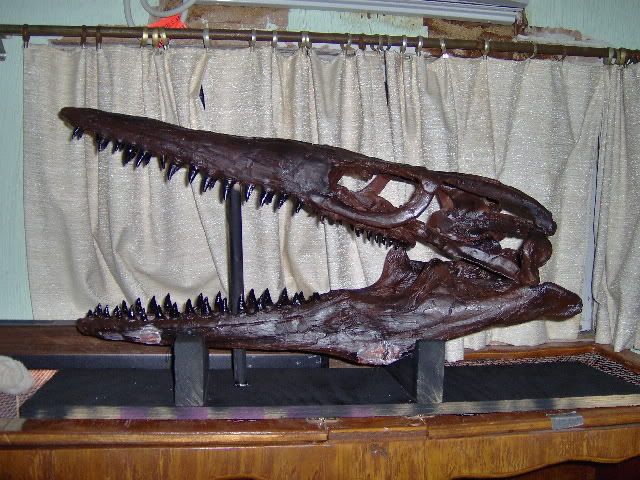
FULLY RESTORED TO ITS ORIGINAL SHAPE
The skull sits in a glass case in the Elementary Wing of Greenville Christian School to this day. Again I have to say, What a find!
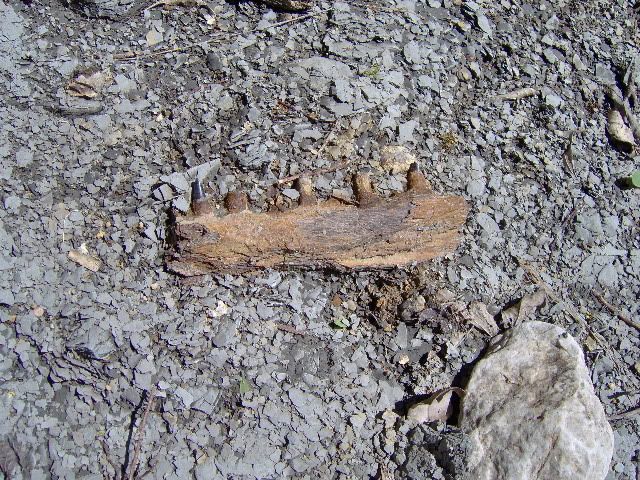
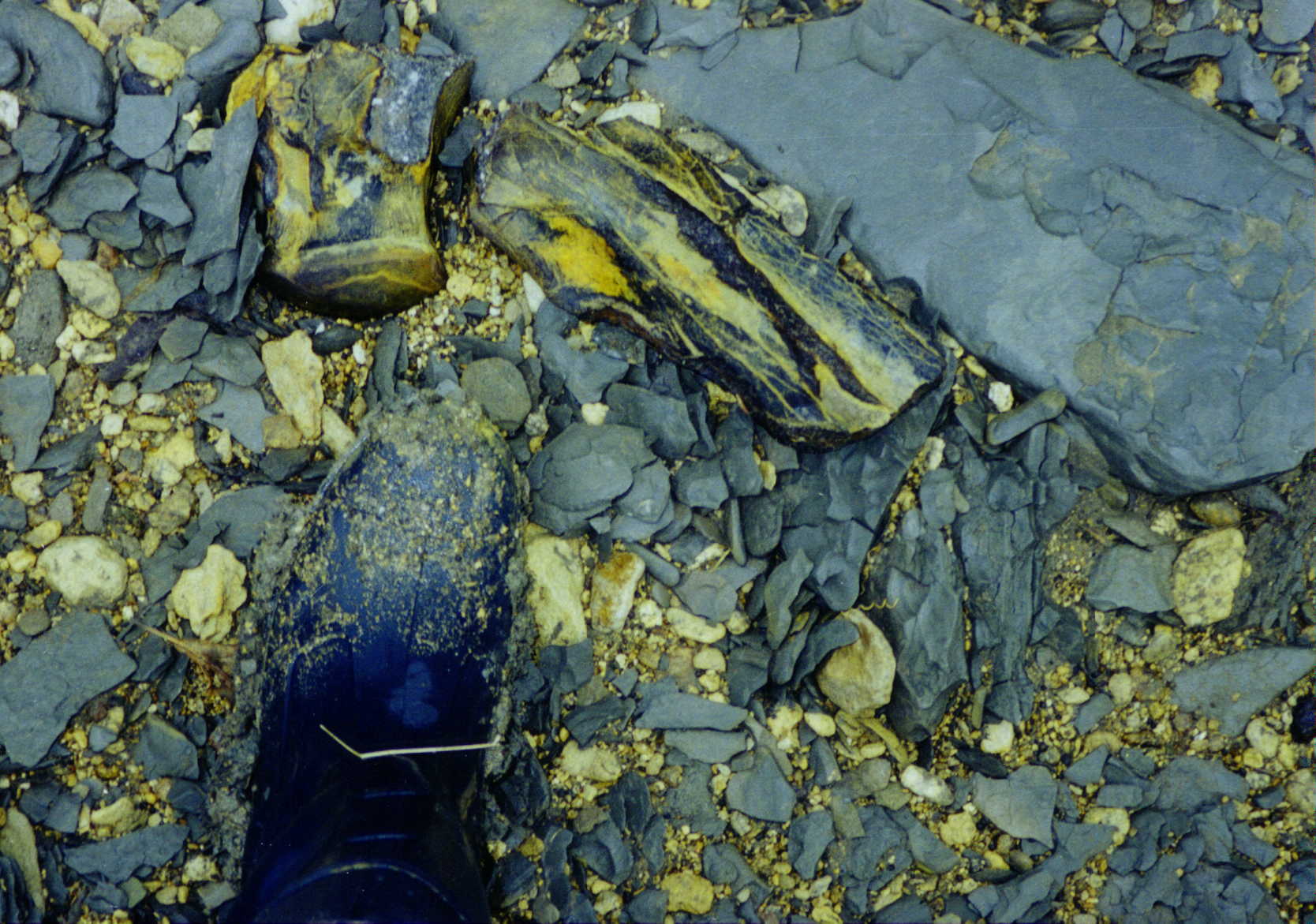
My biggest mosasaur vertebrae yet -
I found this on Jan. 24, 2001. The piece next to it is a partial upper jaw hinge, as long as my foot.
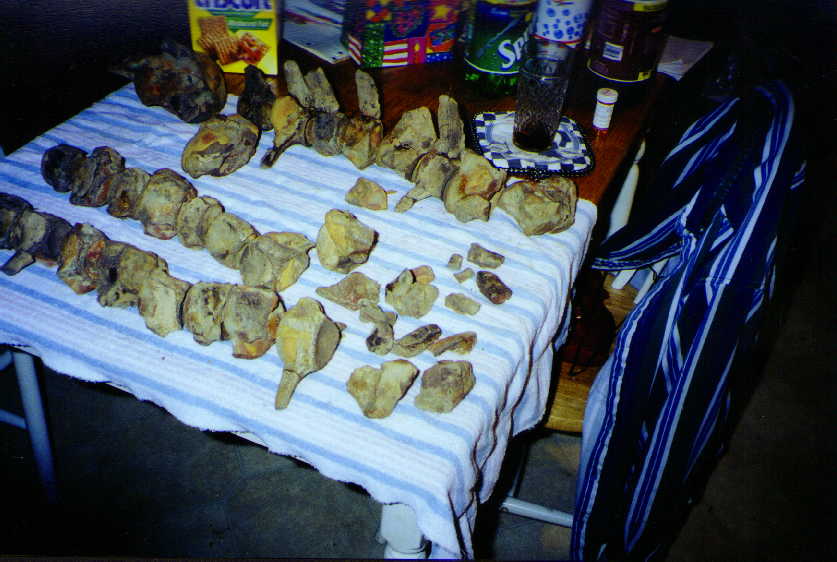
A nice set of mosasaur vertebrae
I found this set of 27 tylosaurus tail vertebrae around Christmas 2000. Several of them still had the neural arches attached. Excuse the messy kitchen table!
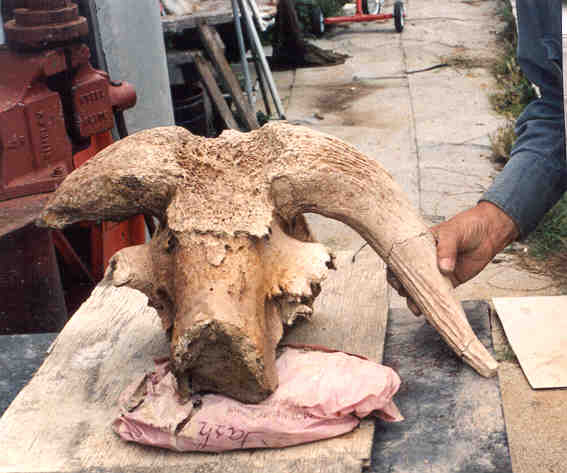
THIS IS MY RAREST FOSSIL EVER. . .
It is the skull of a Pleistocene musk ox (Symbos cavifrons), recovered from the clay banks of the river in about 1991. Harold Finley and I found it, John Schultz excavated it, and today it resides in the Fort Worth Museum of Natural History.